Blog > Renovating Historical Homes in Wisconsin: Challenges and Expert Tips
Historical Homes in Wisconsin: Renovation Challenges and Tips for Success
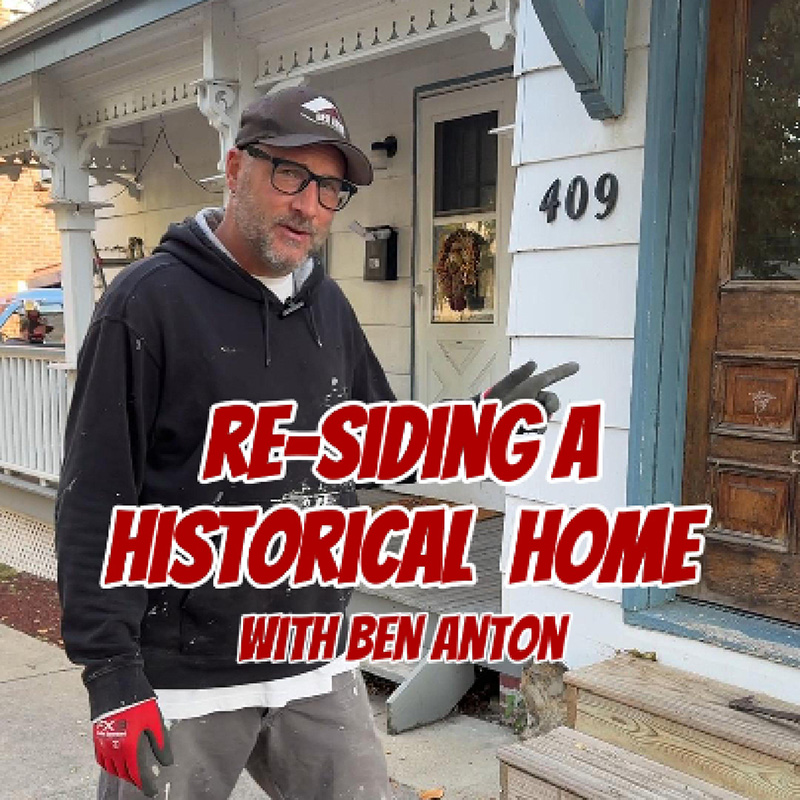
Have you ever wondered what it takes to renovate a historical home? Watch Real Estate Agent Ben Anton in action as he demonstrates the process of residing a historical property. Ben’s expertise in investment properties shines as he tackles the unique challenges of preserving the charm and character of a historical home. Check out the video for inspiration and insights into this rewarding journey.
Restoring a historical home in Wisconsin can be a rewarding journey, offering the chance to preserve a piece of history while creating a unique living space. However, it comes with its own set of challenges that prospective homeowners and investors should be aware of. Below, we outline the common difficulties and provide actionable tips to make your renovation project a success.
Key Challenges of Renovating Historical Homes
1. Preservation Regulations
- Historic District Restrictions: Homes located in historic districts often require renovation plans to be approved by local or state preservation boards. These regulations are designed to protect the property’s historical integrity but can limit your design options.
- Material Requirements: Using period-appropriate materials is often mandatory, which can be both costly and difficult to source.
2. Structural Issues
- Aging Infrastructure: Many historical homes have outdated electrical, plumbing, and HVAC systems that need replacement to meet modern safety codes.
- Foundation Problems: Years of wear and tear may result in uneven foundations, water damage, or structural instability that require extensive repairs.
3. High Costs
- Specialized Labor: Skilled craftsmen experienced in historical restoration typically charge more than general contractors.
- Unexpected Expenses: Hidden issues such as mold, asbestos, or lead paint can significantly increase your renovation budget.
4. Difficulty Sourcing Materials
- Matching Original Features: Finding authentic or reproduction materials—such as woodwork, tiles, or fixtures—to match the original style can be time-consuming and expensive.
- Shipping Delays: Rare materials often need to be ordered from specialty suppliers, causing potential project delays.
5. Modern Code Compliance
- Energy Efficiency: Balancing historical aesthetics with modern energy-efficient updates, such as insulation and windows, can be challenging.
- Accessibility Standards: Adding features to meet ADA compliance or other accessibility standards may require significant alterations.
6. Unforeseen Challenges
- Hidden Problems: Issues like water damage, termites, or outdated wiring often aren’t discovered until renovations begin.
- Permitting Delays: Securing permits for historical renovations can take longer than for standard projects due to stricter regulations.
7. Balancing History with Modernity
- Aesthetic Consistency: Maintaining the charm of the home’s original design while updating it for modern living requires careful planning.
- Community Input: Neighbors and historical societies may have strong opinions on preserving the home’s character.
Tips for a Successful Renovation
- Work with Experienced Contractors: Hire professionals who specialize in historical restorations to ensure quality and adherence to preservation standards.
- Research Financial Incentives: Explore grants, tax credits, or other incentives available for restoring historical properties in Wisconsin. For more information, visit the Wisconsin Historical Society website.
- Plan for Contingencies: Set aside a contingency budget to cover unexpected costs.
- Prioritize Critical Updates: Focus on essential repairs, such as structural integrity and safety code compliance, before addressing aesthetic upgrades.
- Consult Preservation Experts: Engage with local preservation boards or historical societies to navigate regulations and gain insights into maintaining your home’s authenticity.
Why Invest in a Historical Home?
Restoring a historical home can add tremendous value to your property while preserving Wisconsin’s architectural heritage. Whether you’re drawn to the charm of original woodwork, intricate details, or the sense of history, the rewards of owning a piece of the past often outweigh the challenges. Owning historical homes offers a unique opportunity to combine modern living with timeless design elements.
Ready to Take the Leap?
If you’re considering purchasing or renovating a historical home, we’re here to help! Contact us today for expert guidance on finding the perfect property and navigating the renovation process.